
Case Study | Material Pallet Positioning In Guizhou Tobacco Logistics Center
Jun 18, 2025
Leave a message
Introduction
In the era of deep penetration of smart manufacturing and IoT technologies, logistics management in the tobacco industry is accelerating its transformation from "experience-driven" to "data-driven". As a key tobacco distribution hub in Southwest China, a Guizhou tobacco logistics center has partnered with Woxu to implement intelligent upgrades for over 1,400 pallets in its warehouse, leveraging Ultra-Wideband (UWB) high-precision positioning technology as the core.
This digital upgrade focusing on the "smallest logistics unit" not only solves the efficiency dilemma in cigarette pallet management but also provides a replicable benchmark for the intelligent transformation of tobacco logistics.
Project Background
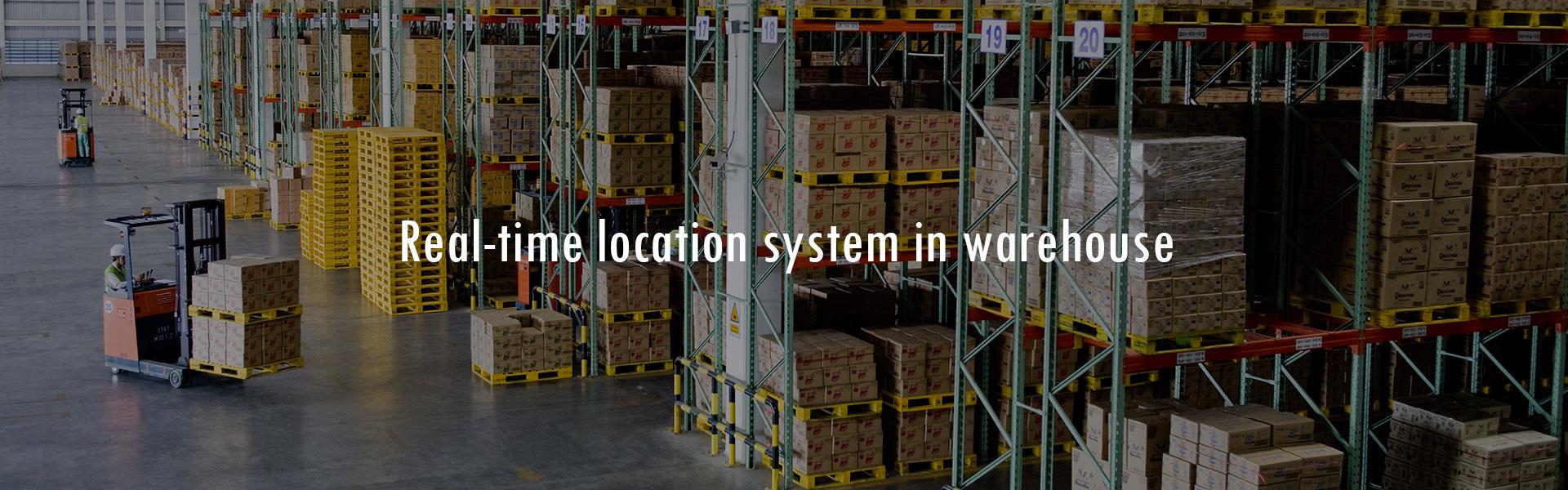
The logistics center's production workshop spans a vast area and handles numerous orders, with thousands of cigarette pallets flowing daily. However, pallet management has long faced three key challenges:
· Spatial disorder: Thousands of pallets are irregularly stacked, making it time-consuming for sorters to locate specific pallets. The yellow-line demarcated storage area has become an "efficiency black hole".
· Experience dependency: Loading operations rely entirely on senior staff's memory to determine pallet positions. During peak seasons, issues like "missing pallets" and "trucks waiting for hours" often occur, prolonging delivery cycles.
· Data fragmentation: The lack of real-time tracking for pallet flow makes it difficult to trace goods movement, with labor inventory costs accounting for over 30% of logistics operations.
Under this rough management model, pallet scheduling has become a bottleneck restricting overall production efficiency.

Solutions
(1) Hardware Deployment: Anchors + 1,400 Tags Forming a Positioning Network
Woxu precisely addressed the logistics center's warehouse upgrade needs, deeply integrating cutting-edge UWB positioning technology with an intelligent warehouse management system to launch an intelligent transformation.
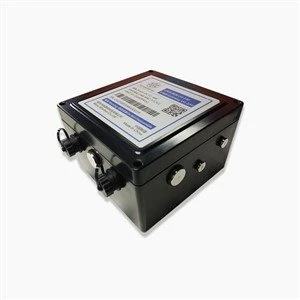
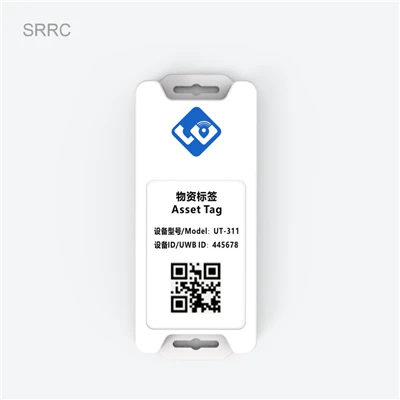
In approximately 5,783㎡ of operational areas including indoor production workshops, outdoor shipping zones, and roads, professional design was adopted to deploy UWB high-precision positioning anchors. Over 1,400 pallets were equipped with UT-311 miniature material positioning tags, transforming them into intelligent carriers with "digital coordinates". This covers all operational scenarios-sorting, temporary storage, and loading-forming a centimeter-level positioning network. Even among densely stacked shelves, the system can real-time accurately display pallet position coordinates, enabling dynamic tracking and visual management of pallet locations.


(2) System Integration: Three-terminal Collaboration for Process Digitization
· Tablet terminal: Dedicated tablets are configured at each sorting station, supporting operations like pallet binding, status query, and route confirmation. They real-time display the distribution of pallets waiting for loading in temporary storage areas, forming a visual electronic map.
· Backend terminal: Through API integration with the existing sorting management system, UWB positioning data is real-time synchronized with route orders and driver information, eliminating data silos.
Four Value Dimensions: Intelligent Closed-loop of Pallet Full-process Digital Management from Offline to Return
1. Offline Area → Sorting Area: Dynamic Binding Triggered by Electronic Fences
· When pallets enter the electronic fence area of the sorting offline zone from the stacking area, the system automatically triggers the order binding process, and the third-party backend pushes route information to the tablet.
· After confirmation by sorters, cigarette sorting data is real-time synchronized to the management system, eliminating "incorrect route binding" and "missing cigarette packages", achieving dynamic association of "pallet-order".

2. Temporary Storage Area: Material Visual Management
· In the warehouse temporary storage area, tablets are used to query pallet positions and sorting tasks. The tablet real-time marks the areas of pallets waiting for loading, allowing loaders to "locate pallets by following the visual map", ending blind searching.
· The system integrates with the sorting management system via API, real-time synchronizing UWB positioning data with order and driver information. After sorting is completed, it automatically guides pallets to designated areas, enabling fully paperless operations.
· Historical movement trajectories are automatically archived, allowing tracing of any pallet's flow path and full visibility of goods movement.

3. Loading Area: Positioning Navigation Improves Operational Efficiency
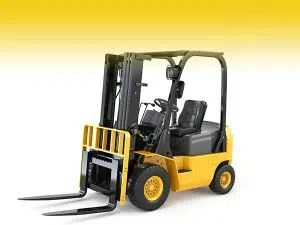
· Inbound process: UWB positioning guides forklifts to directly transport sorted pallets to designated areas, realizing the intelligence upgrade from "humans searching for goods" to "goods guiding humans", eliminating searching blind spots.
· Outbound process: The tablet marks the positions and routes of pallets waiting for loading. Drivers locate pallets by following the map, reducing pallet search time by 70% and shortening delivery cycles.
4. Unloading and Return: Tag Release and Closed-loop Management
· After empty pallets are unloaded and returned, the system automatically releases the binding status of positioning tags, forming a closed-loop management of "sorting-loading-return", significantly improving turnover efficiency.

Project Achievements
Real-time positioning and trajectory recording for each pallet enable dynamic tracking of goods flow, greatly reducing time and labor costs wasted on searching pallets. Logistics operational efficiency and loading efficiency are improved, shortening delivery cycles. A standardized solution of "hardware positioning + software management + data integration" is formed, providing strong support for the enterprise's production and operations. Without modifying existing warehouse facilities, it achieves efficient management of nearly 6,000㎡ areas, offering a replicable technical path for the industry.
As the logistics center director stated: "Each pallet now has a digital identity, and the granularity of logistics management has been refined from 'batches' to 'individuals'-this is a key step for the tobacco center toward a smart supply chain."
From cigarette pallets to smart logistics, Woxu' UWB technology practice in this tobacco center proves that the intelligent transformation of traditional industries often begins with the digital reconstruction of the most basic operational units. This "big revolution" on "small pallets" is reshaping the efficiency ceiling of tobacco logistics.